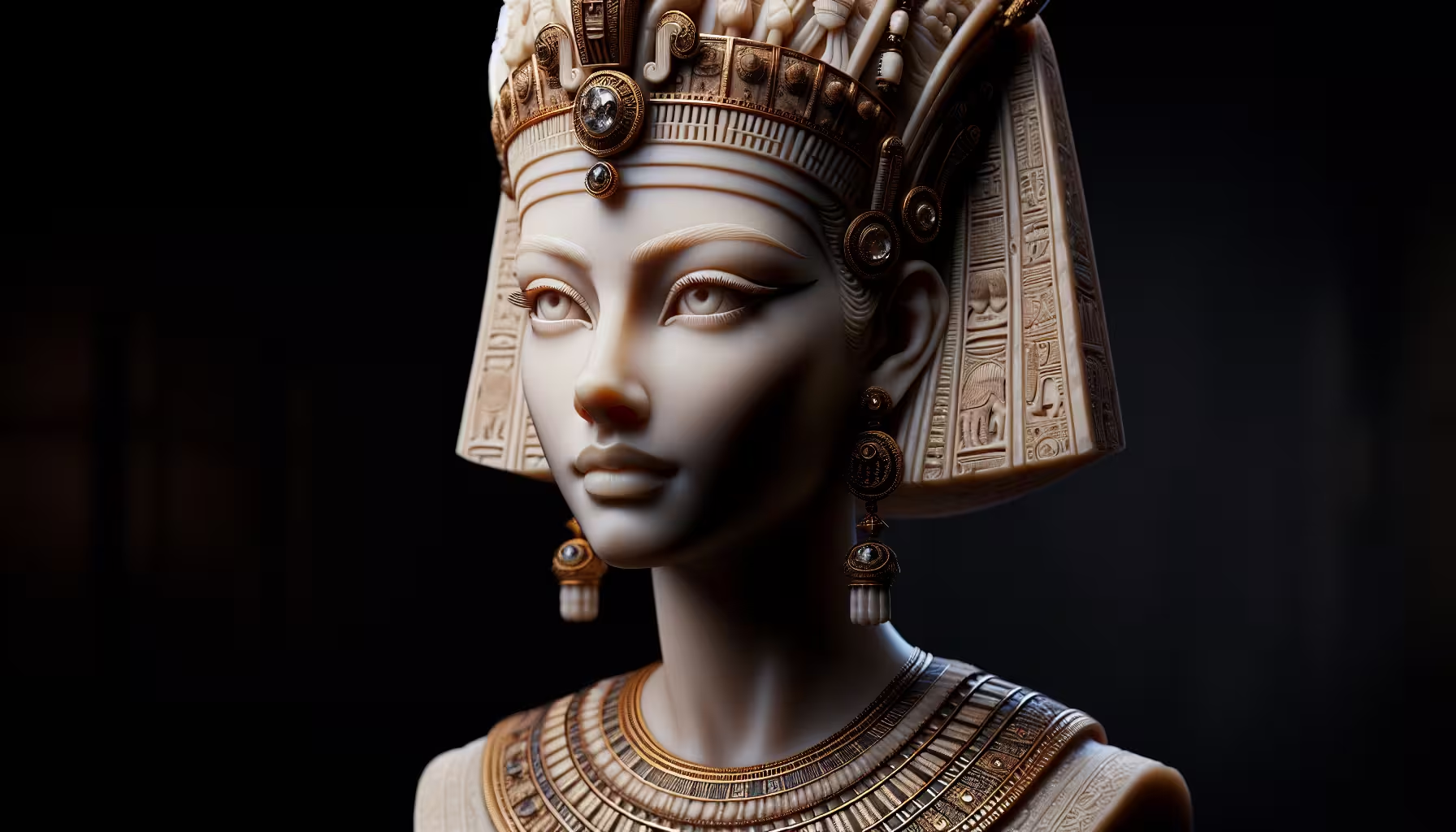
Nefertiti, an ancient Egyptian queen, is renowned for her unparalleled beauty, powerful influence during the Amarna period, and the iconic bust unearthed in 1912. As one of the most famous and enigmatic figures in Egyptian history, Nefertiti continues to captivate the world with her timeless allure and mysterious legacy. Let’s delve into the legend of Nefertiti and uncover the secrets of this legendary queen who has fascinated historians and art enthusiasts for centuries.
Introduction
Nefertiti, the queen of ancient Egypt, is known for her unparalleled beauty and her extraordinary influence during the Amarna period. Her reign alongside Pharaoh Akhenaten marked a revolution in Egyptian religious beliefs and artistic styles. However, it is her iconic bust, discovered in 1912, that has captured the imagination of the world and solidified her place in history. As we delve into the life and historical significance of Nefertiti, we uncover a fascinating tale of power, beauty, and cultural change that continues to captivate and intrigue us to this day.
In 1912, the iconic bust of Nefertiti, known for her beauty and influence in the Amarna period, was discovered in Amarna, Egypt. This exquisite sculpture has since become a symbol of ancient Egyptian art and culture.
The Beauty of Nefertiti
Nefertiti, the queen of Egypt, is renowned for her unparalleled beauty. She was known for her striking features, including her long neck, elegant jawline, and captivating eyes. Her beauty was often depicted in various forms of art, such as sculptures and wall reliefs. Nefertiti’s stunning appearance not only captivated those around her, but also contributed to her lasting legacy as one of the most beautiful women in history.
Nefertiti’s Influence in the Amarna Period
During the Amarna period, Nefertiti held significant influence alongside her husband, Pharaoh Akhenaten. Together, they ushered in a revolutionary era with their focus on the worship of the sun god, Aten, and the construction of a new capital city, Amarna. Nefertiti was an active participant in religious and political affairs, and her influence extended beyond her role as a queen. She played a pivotal role in shaping the artistic and cultural landscape of ancient Egypt during this time.
The Iconic Bust of Nefertiti
The discovery of the iconic bust of Nefertiti in 1912 propelled her into modern-day fame. This exquisite sculpture, believed to be created by the sculptor Thutmose, captured the timeless beauty of Nefertiti. The bust is celebrated for its flawless craftsmanship and has become a symbol of beauty and femininity. It is now displayed in the Neues Museum in Berlin, where it continues to captivate audiences from around the world with its timeless allure.
Did you know? Nefertiti, the ancient Egyptian queen, is known for her exceptional beauty and her significant influence during the Amarna period. In 1912, a German archaeological team unearthed a stunning bust of Nefertiti, which has since become an iconic symbol of her beauty and power. The discovery of this bust has captivated the world, as it provides a glimpse into the life and beauty of this mysterious queen. Despite the fame of her bust, much about Nefertiti still remains shrouded in mystery, adding to her enigmatic allure.
Read more:
mystery-surrounds-nefertitis-birth-dateroyal-court-education-nefertitis-secrets-revealed
nefertiti-akhenatens-powerful-great-royal-wife
nefertitis-role-in-akhenatens-religious-reforms
nefertiti-coruler-and-powerful-queen-of-ancient-egypt
nefertiti-a-prominent-figure-in-egypt