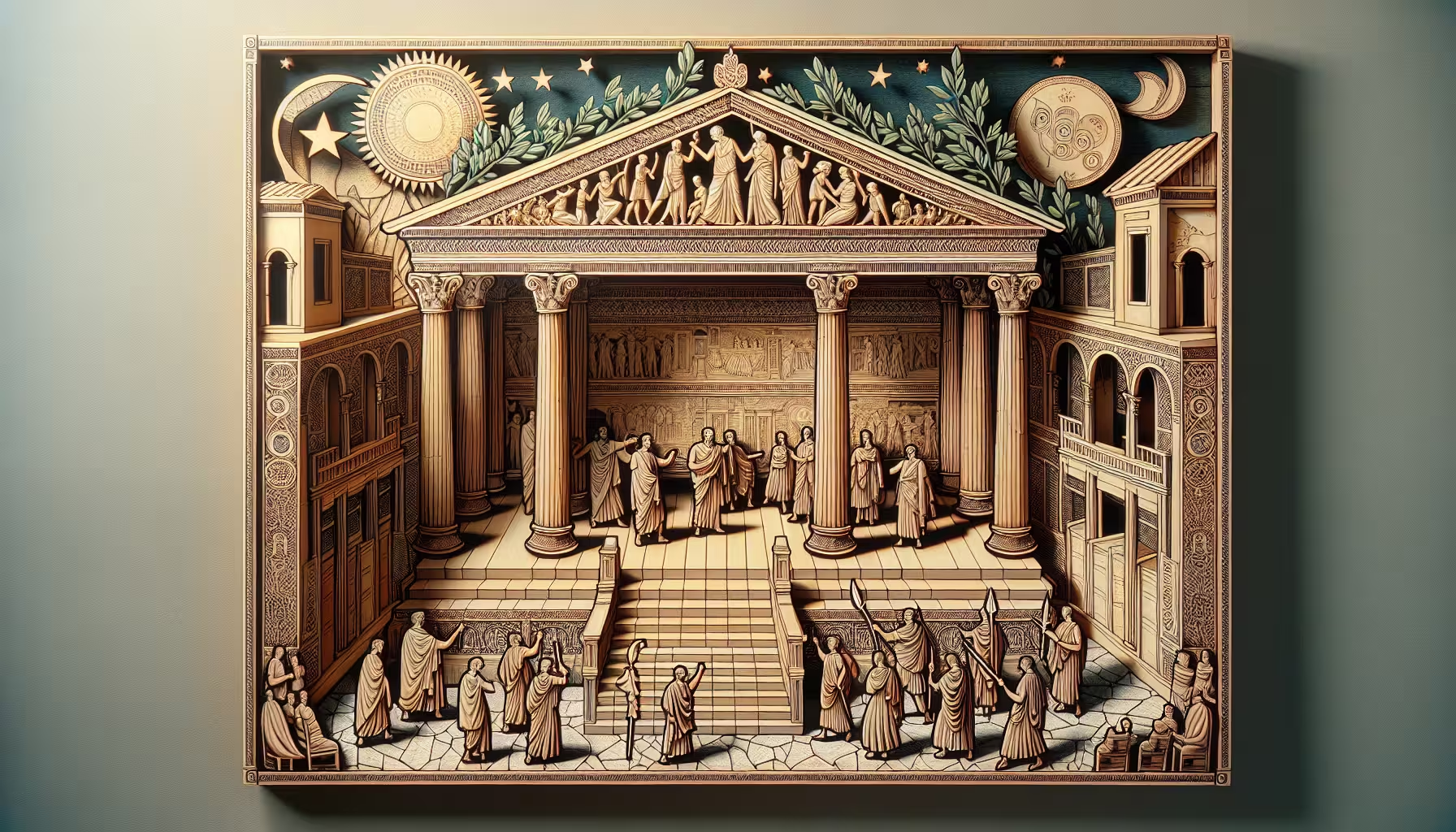
Aeschylus was an ancient Greek playwright and the first of the great tragedians. He is known for his groundbreaking contributions to the development of theatre and dramatic storytelling, which continue to be studied and performed to this day. Aeschylus wrote over 70 plays, of which only seven are extant, but these surviving works have had a profound impact on the course of theatre history. His innovative use of multiple characters and dramatic conflict revolutionized the art form, and his exploration of universal themes such as justice, fate, and the power of the gods has ensured his enduring relevance. Aeschylus’ legacy as a pioneering dram
Introduction
Imagine yourself in ancient Greece, a time when theatre and storytelling played a significant role in the culture and entertainment of the people. It is here that Aeschylus, a pioneer of Greek tragedy, made his mark on history. Born in 525 BCE, Aeschylus is often credited with transforming theatre into a respected art form and laying the foundation for dramatic storytelling as we know it today. His works, including famous plays such as “The Oresteia” and “Prometheus Bound”, have continued to be studied and performed for centuries, contributing to the development of theatre and influencing countless playwrights and storytellers throughout the ages. Aeschylus’s impact on the history of theatre and dramatic storytelling is undeniable, and his legacy continues to intrigue and inspire audiences and scholars alike.
Aeschylus, a playwright and poet from Ancient Greece, is often referred to as the “Father of Tragedy.” His plays, including “The Oresteia” and “Prometheus Bound,” continue to be studied and performed, influencing the development of theatre and dramatic storytelling. Aeschylus’ works date back to the 5th century BCE, and his contributions have had a lasting impact on the art of theatre.
Aeschylus: The Pioneer of Theatre and Dramatic Storytelling
The Legacy of Aeschylus
When it comes to the development of theatre and dramatic storytelling, one cannot overlook the significant contribution of Aeschylus. Born in 525 BC in Athens, Aeschylus is known for his innovative and groundbreaking works in the field of ancient Greek tragedy. His plays, including “The Oresteia,” “Prometheus Bound,” and “The Persians,” continue to be studied and performed, captivating audiences and inspiring playwrights and directors across the globe. Aeschylus’ innovative use of dramatic structure, character development, and poetic language revolutionized the art of theatre and set the stage for centuries to come.
Did you know? Aeschylus, a Greek playwright from the 5th century BC, is often considered the father of tragedy and is known for his contributions to the development of theatre and dramatic storytelling. His work continues to be studied and performed, with his plays being reimagined and adapted for modern audiences. Aeschylus’ innovative use of multiple characters, complex plots, and elevated language laid the groundwork for the evolution of theatre and drama for centuries to come.
Read more:
aeschylus-the-father-of-greek-tragedyaeschylus-mastering-the-art-of-tragedy
aeschylus-triumph-victory-at-dionysia-festival
the-oresteia-aeschylus-masterpiece-of-tragedy
aeschylus-defiant-stand-at-salamis
https://www.britannica.com/biography/Aeschylus-Greek-dramatist