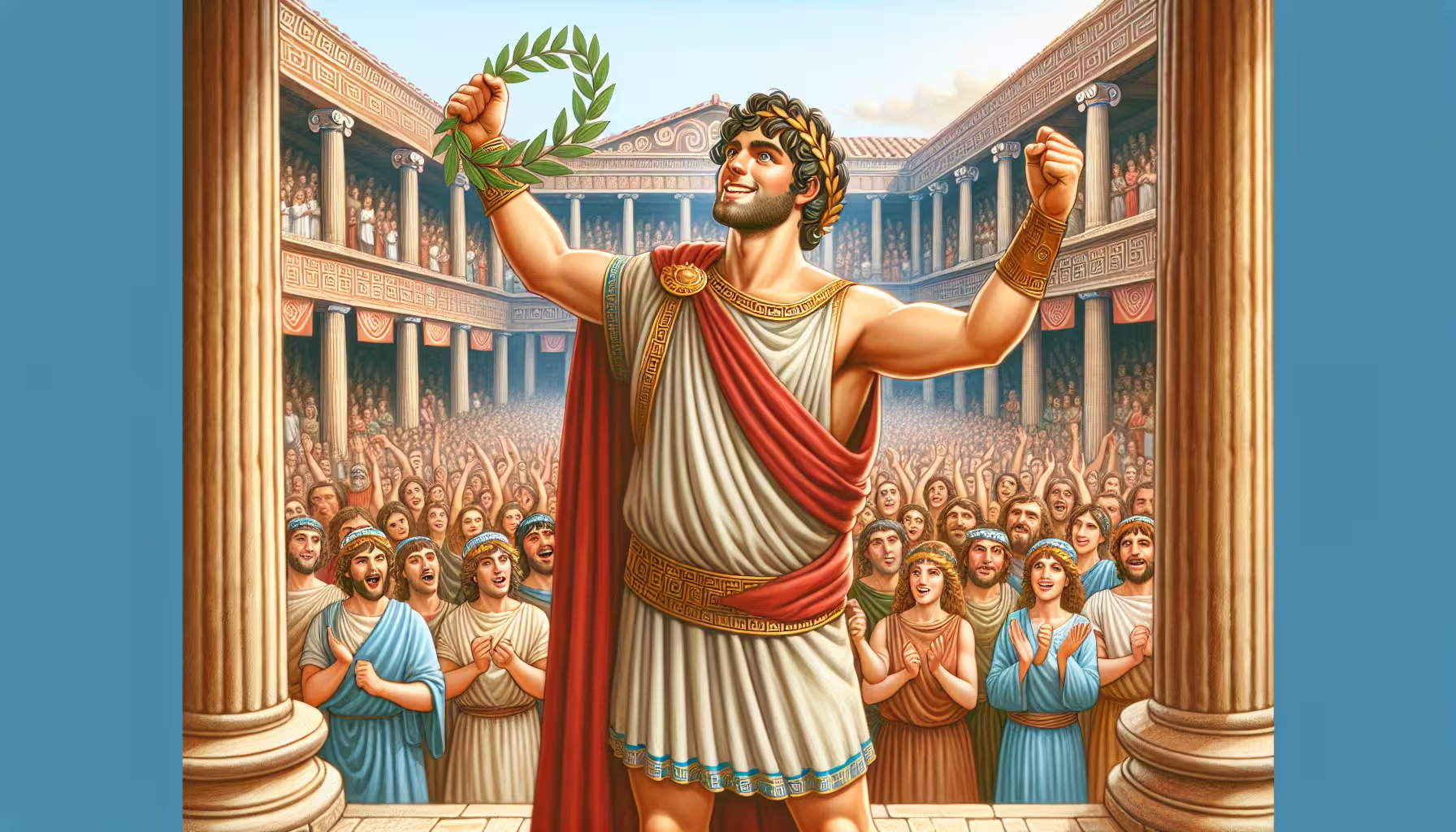
Aeschylus is a renowned ancient Greek playwright known for being the first playwright to introduce a second actor on stage, revolutionizing the world of theater. His play ‘The Persians’ was his first victory at the Dionysia festival, and it is significant because it heralded the beginning of his prestigious career as a playwright. Aeschylus’ works are still celebrated and performed today, making him a legendary figure in the history of theater. His bold and innovative contributions to the art form have left a lasting impact on the world of drama. What was it about ‘The Persians’ that captivated audiences and catapulted A
Introduction
In the year 472 BCE, a young playwright named Aeschylus achieved his first major victory at the Dionysia festival in Athens with his play ‘The Persians’. This momentous event not only marked the beginning of Aeschylus’s illustrious career as a playwright, but also had profound historical significance. The play ‘The Persians’ offered a unique perspective on the Greco-Persian wars, providing a thought-provoking portrayal of the enemy as individuals with their own fears, hopes, and vulnerabilities. This groundbreaking shift in storytelling captured the attention of the audience and established Aeschylus as a pioneer in the evolution of Greek theater. Join us as we delve into the life of Aeschylus and the cultural impact of ‘The Persians’, revealing the lasting legacy of this momentous victory.
Aeschylus won his first victory at the Dionysia festival in 472 BC with his play ‘The Persians’, making him one of the most celebrated tragedians in ancient Greece.
The Triumph of Aeschylus at the Dionysia Festival
A New Voice in Greek Tragedy
It was the year 472 BCE and the city of Athens was buzzing with excitement as the annual Dionysia festival approached. The Dionysia was a time of celebration and revelry, with the highlight being the competition of tragic playwrights. Amongst the esteemed competitors was a relatively unknown playwright named Aeschylus. Though he had written several plays before, this was the first time he would be entering the esteemed competition. Aeschylus had a bold vision for his play, ‘The Persians’, and he was determined to make a name for himself in the world of Greek tragedy.
A Bold and Visionary Playwright
Aeschylus was a man of grand ideas and a deep understanding of the human condition. He had a unique ability to weave together the mythological stories of ancient Greece with profound insights into the nature of war, power, and hubris. ‘The Persians’ was a daring departure from the traditional subjects of Greek tragedy, as it focused on the defeat of the Persian Empire by the Greeks at the Battle of Salamis. Aeschylus chose to tell the story from the perspective of the defeated Persians, offering a poignant portrayal of their grief and loss in the wake of their defeat. This unconventional approach captivated the audiences and set Aeschylus apart as a playwright of extraordinary talent and vision.
A Triumphant Victory
As the Dionysia festival unfolded, ‘The Persians’ proved to be a resounding success. The play resonated deeply with the Athenian audience, and Aeschylus’s bold storytelling and poetic prowess left a lasting impression. When the winners of the competition were announced, it was Aeschylus who stood triumphant, winning first prize for ‘The Persians’. This victory marked the beginning of a legendary career for Aeschylus, and his name would soon become synonymous with the golden age of Greek tragedy.
Legacy of Excellence
Aeschylus’s groundbreaking approach to storytelling and his ability to evoke profound emotions in his audience would go on to influence generations of playwrights and continue to resonate with audiences to this day. His triumph at the Dionysia festival with ‘The Persians’ was a watershed moment in the history of Greek drama
Did you know? Aeschylus achieved his first victory at the Dionysia festival with his play ‘The Persians’ in 472 BC. This play depicted the defeat of the Persian army at the Battle of Salamis, which was a recent and significant victory for the Greeks. Aeschylus’ innovative use of dialogue, choral odes, and the portrayal of historical events earned him first prize at the festival. This marked the beginning of Aeschylus’ successful career as a playwright and established his reputation as one of the great tragic poets of ancient Greece.
Read more:
aeschylus-the-father-of-greek-tragedyaeschylus-mastering-the-art-of-tragedy
the-oresteia-aeschylus-masterpiece-of-tragedy
aeschylus-defiant-stand-at-salamis
enduring-legacy-aeschylus-influence-on-theater
https://www.britannica.com/biography/Aeschylus-Greek-dramatist