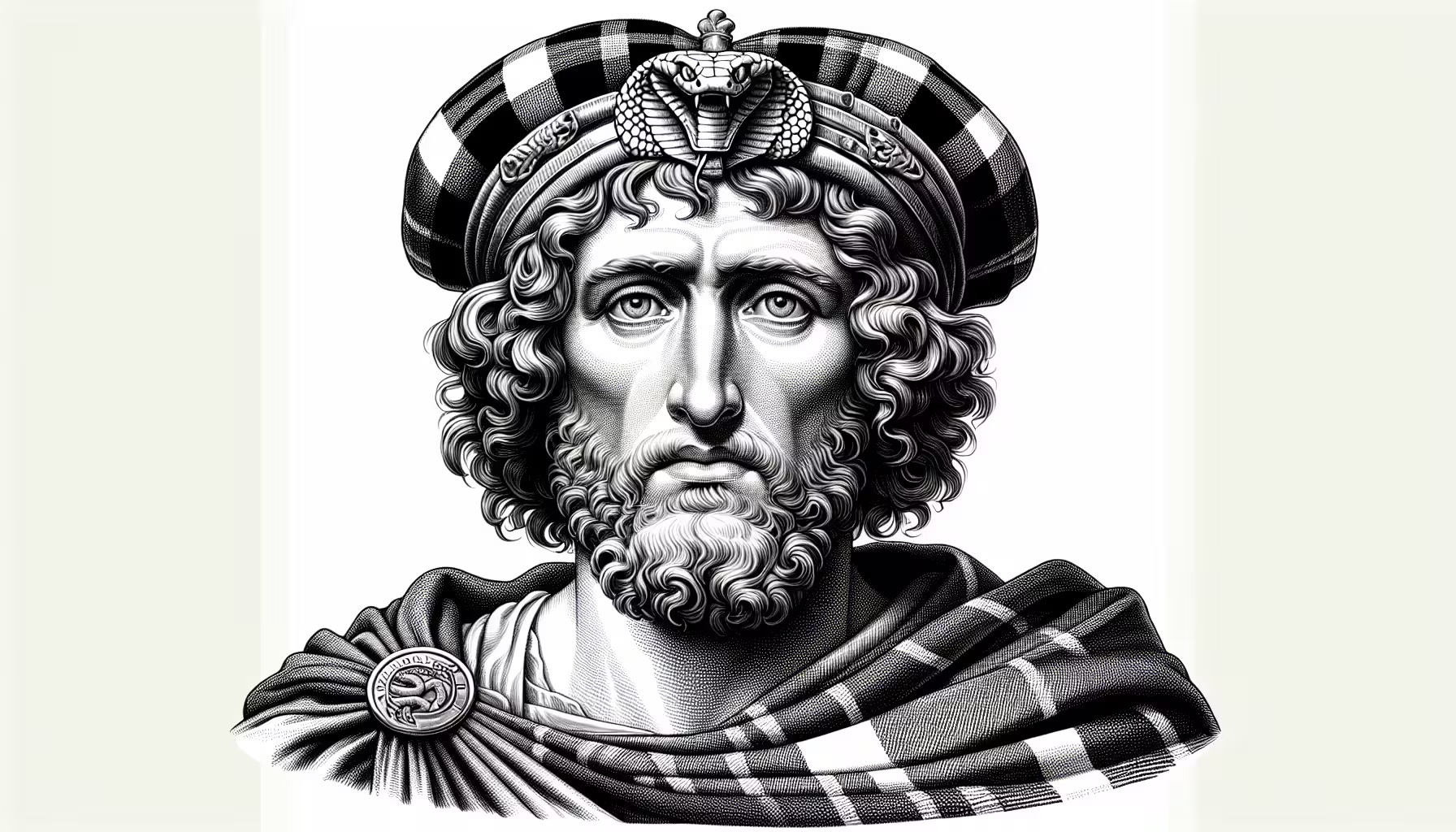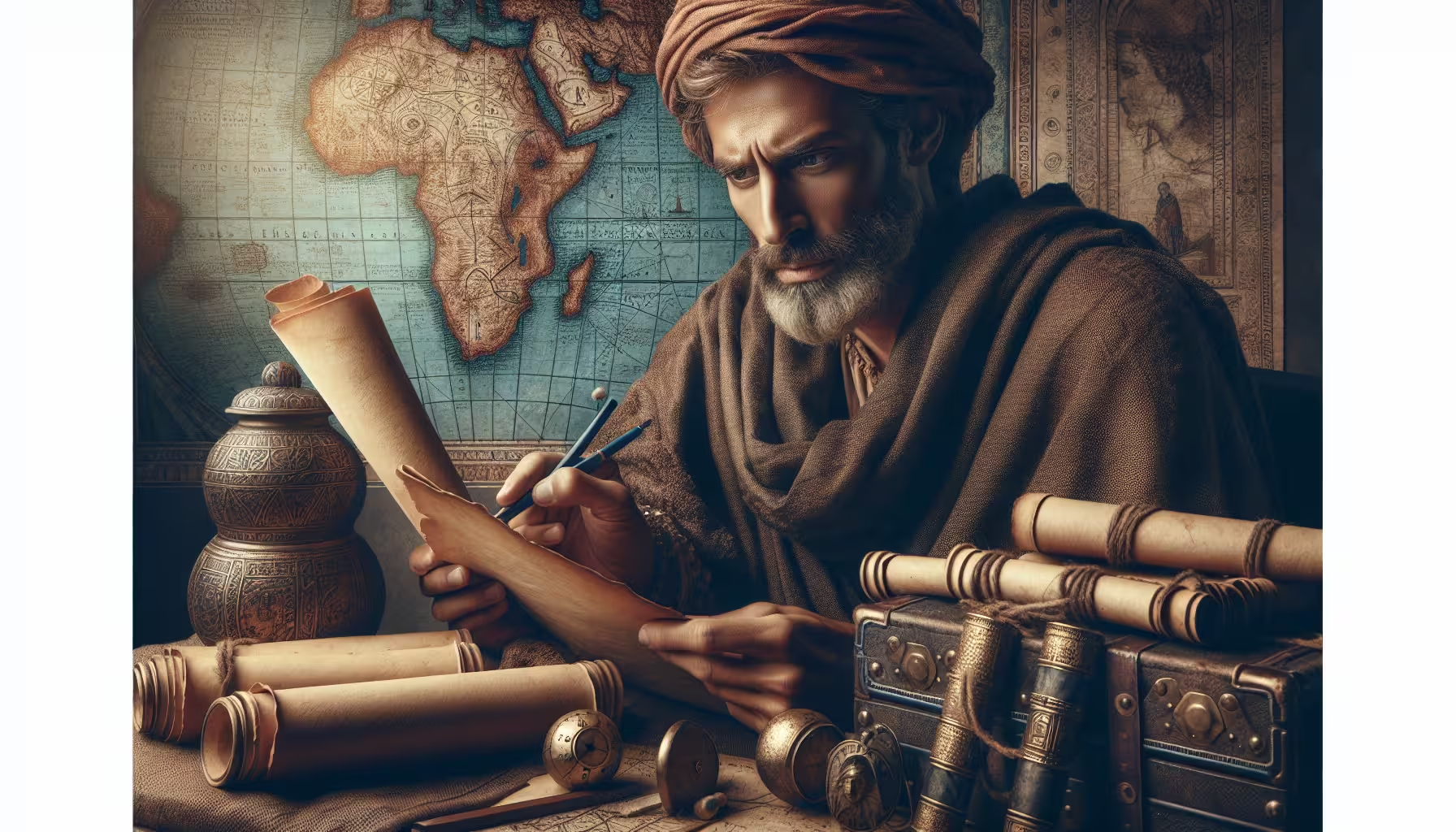
The Founder and First Sultan of Juba
Introduction Juba I, also known as Juba the Great, was a Berber king from North Africa who lived during the first century BC. He was… Read More »The Founder and First Sultan of Juba
Introduction Juba I, also known as Juba the Great, was a Berber king from North Africa who lived during the first century BC. He was… Read More »The Founder and First Sultan of Juba
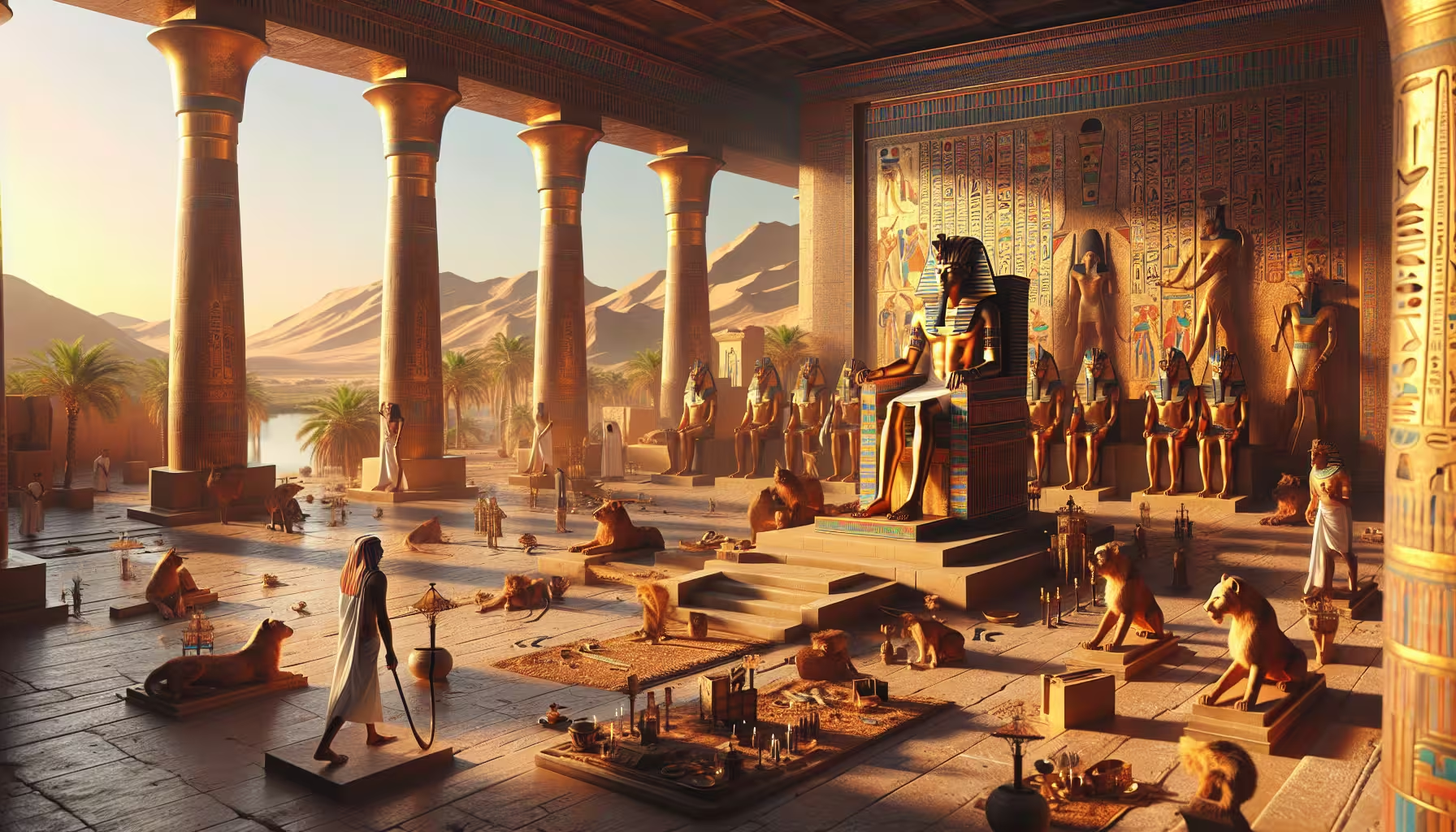
Akhenaten’s reign, religious reforms, and artistic revolution had a significant impact on Egyptian history and culture. He remains a controversial figure, with some seeing him as a religious visionary and others as a heretic.
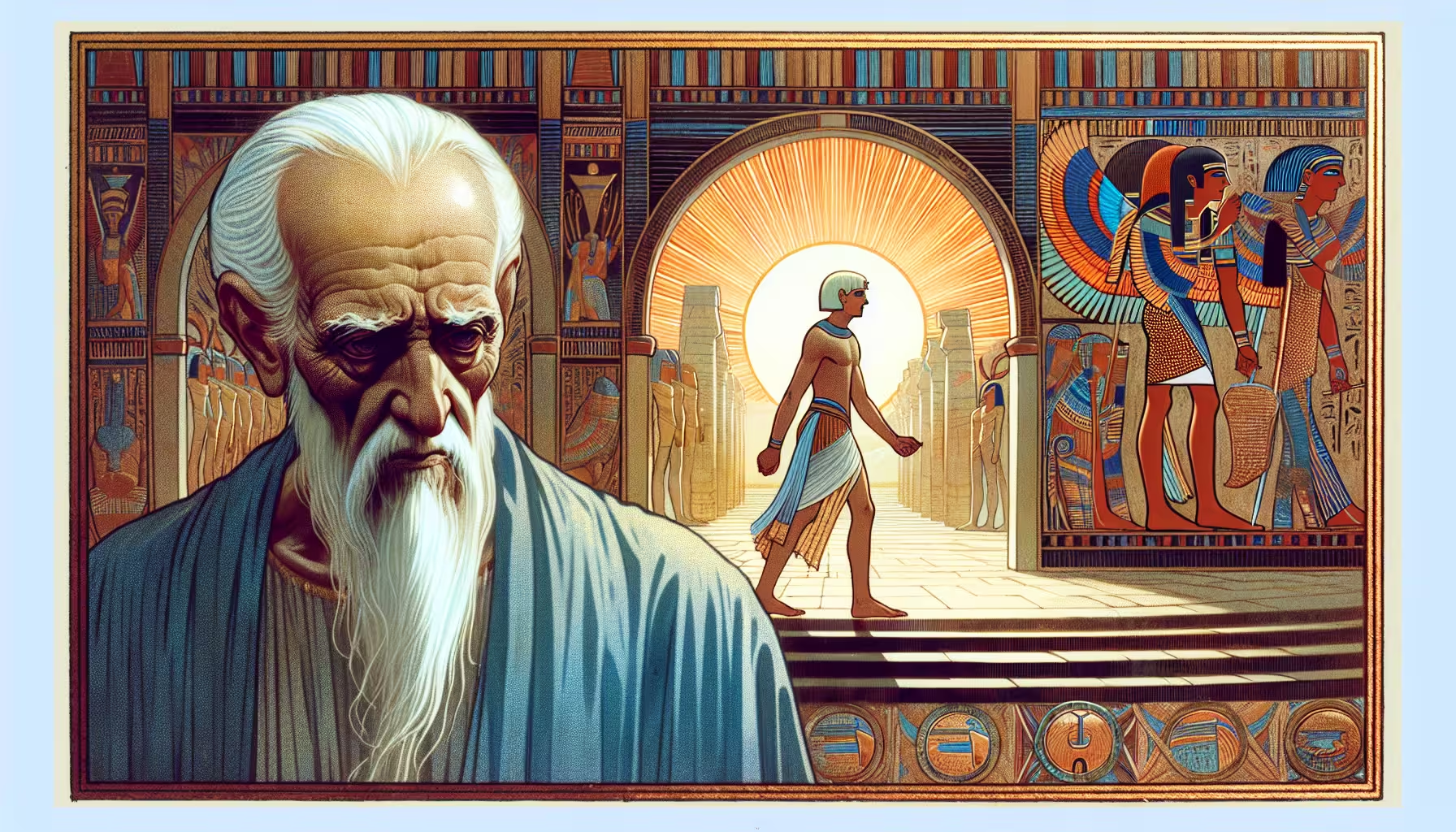
Died in Amarna, possibly as a result of illness. His son Tutankhaten (later Tutankhamun) becomes pharaoh and reverses many of Akhenaten’s reforms.
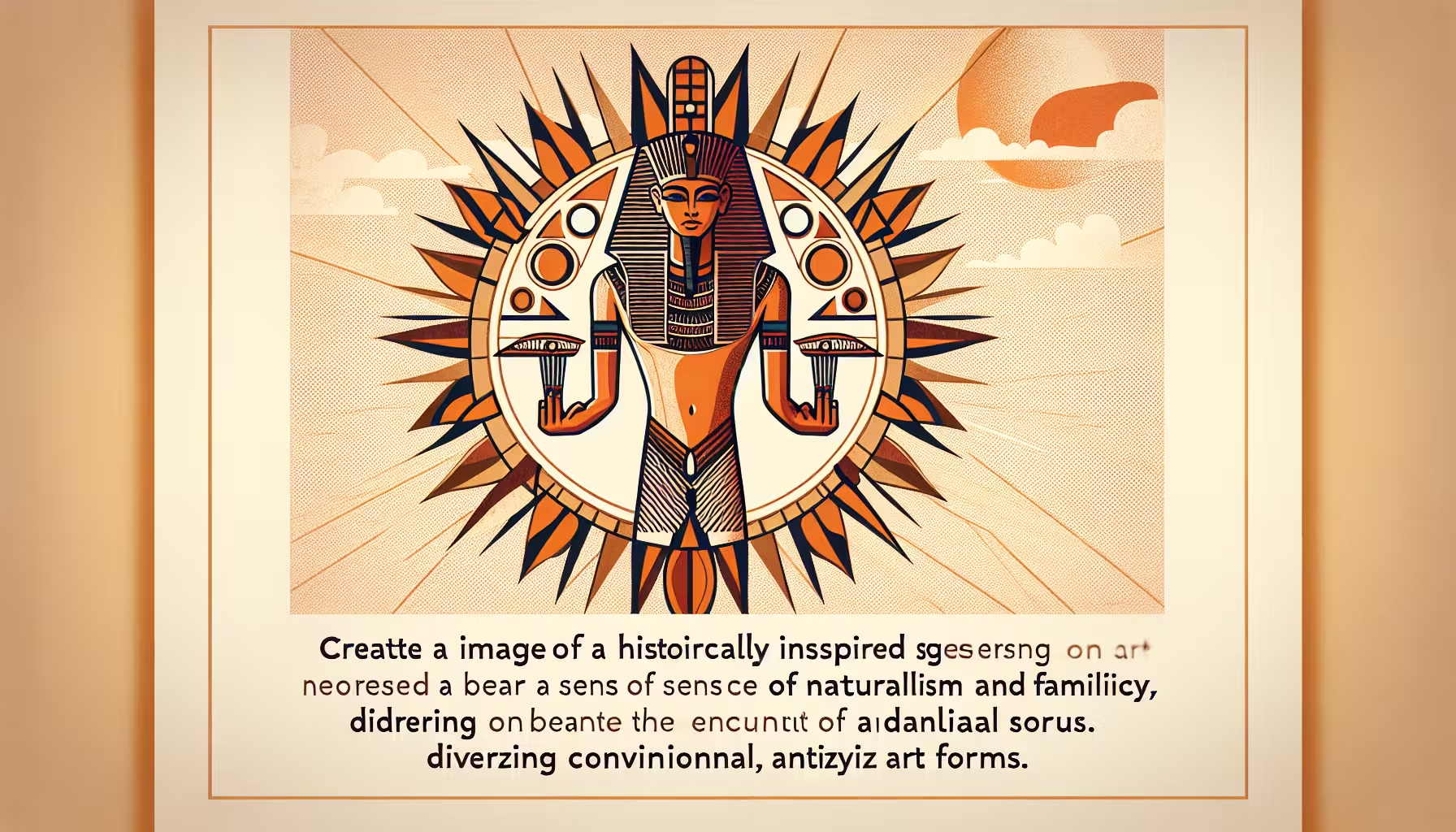
Promotes a new artistic style characterized by naturalistic depictions and a focus on family life, in contrast to the formal and stylized art of previous pharaohs.
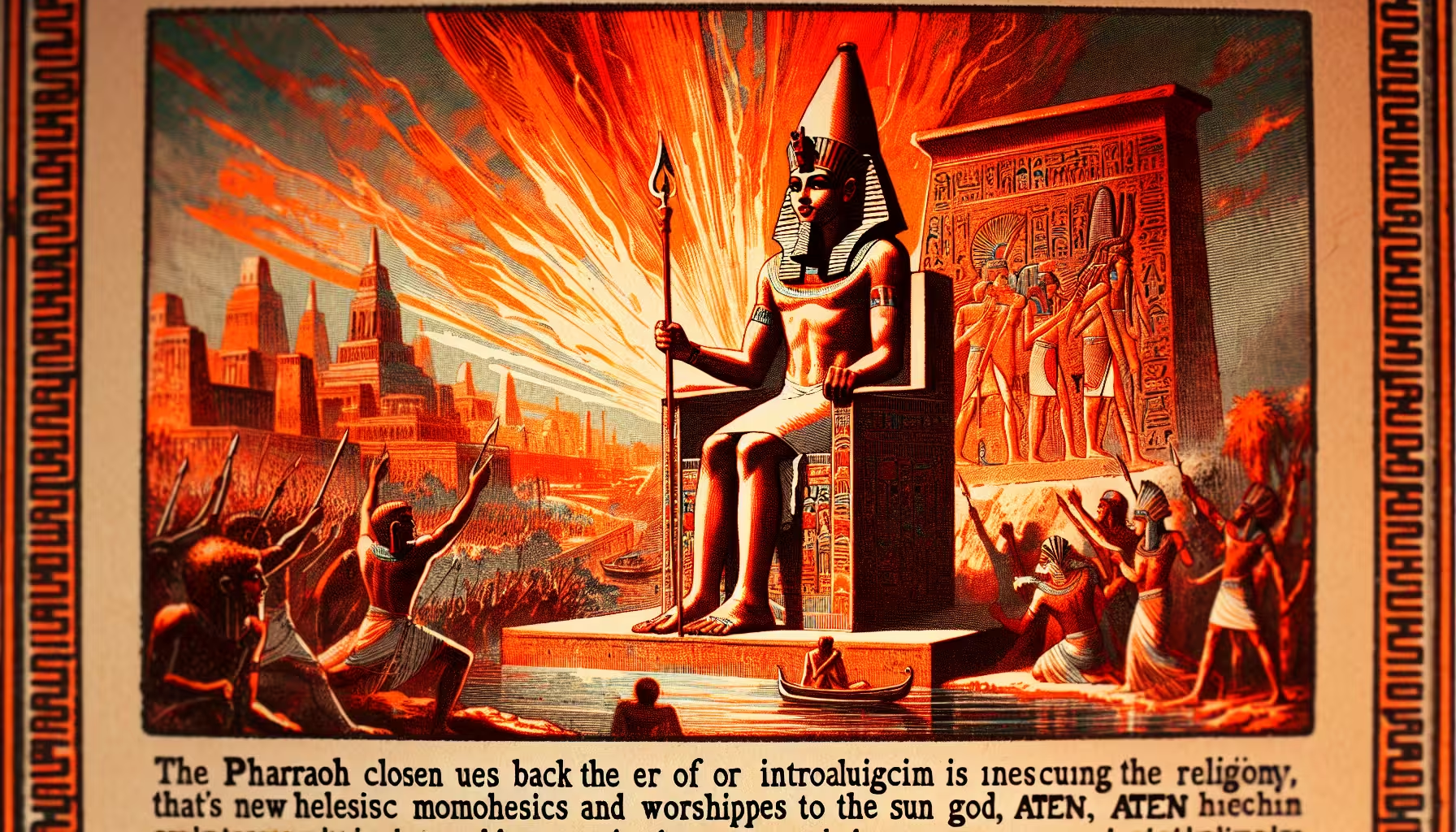
Introduces Atenism, a monotheistic worship of the sun god Aten, and orders the closure of traditional temples and the establishment of a new capital city called Akhetaten (modern-day Amarna).
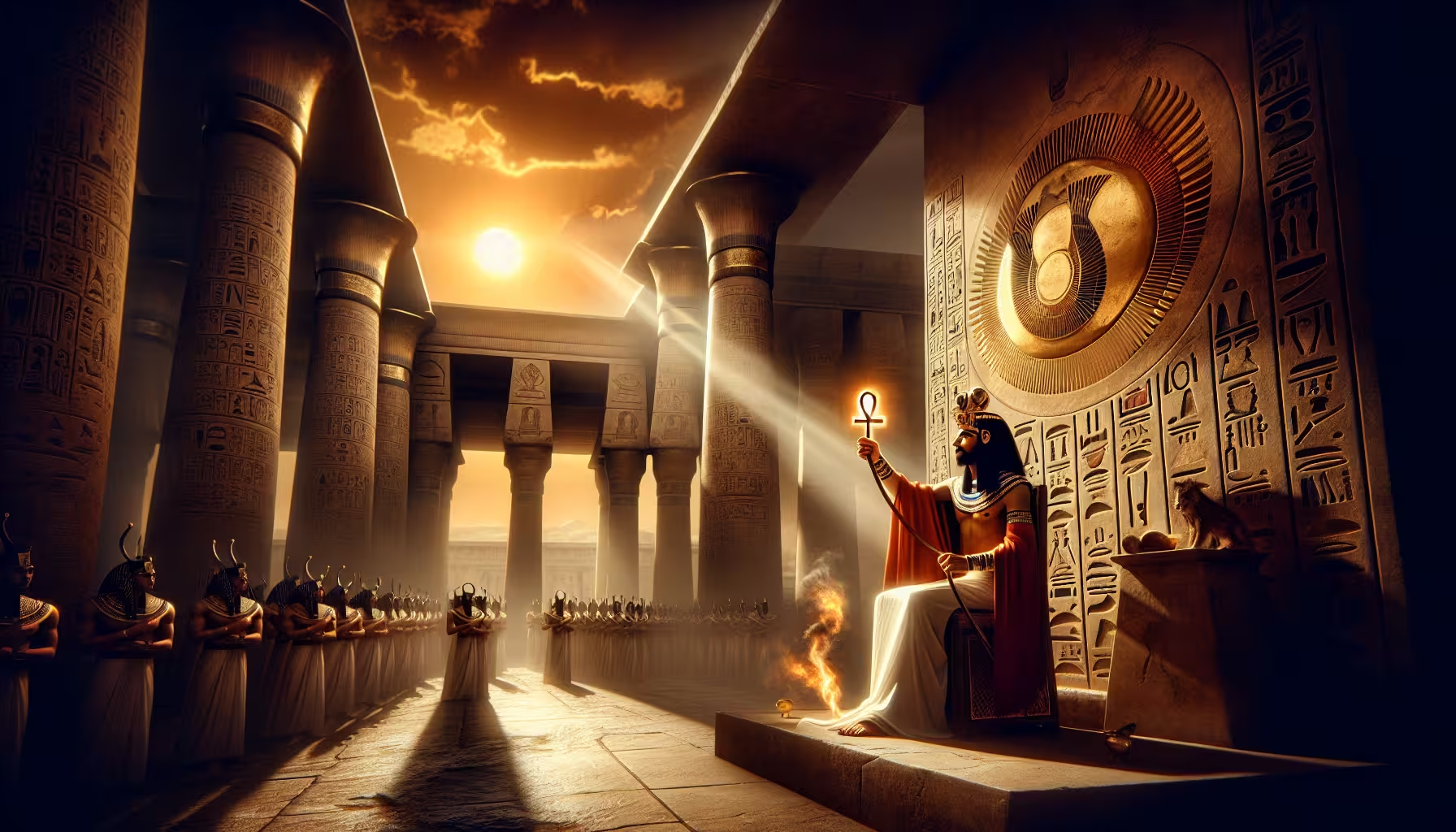
Succeeds his father as Pharaoh of Egypt, taking the name Akhenaten.
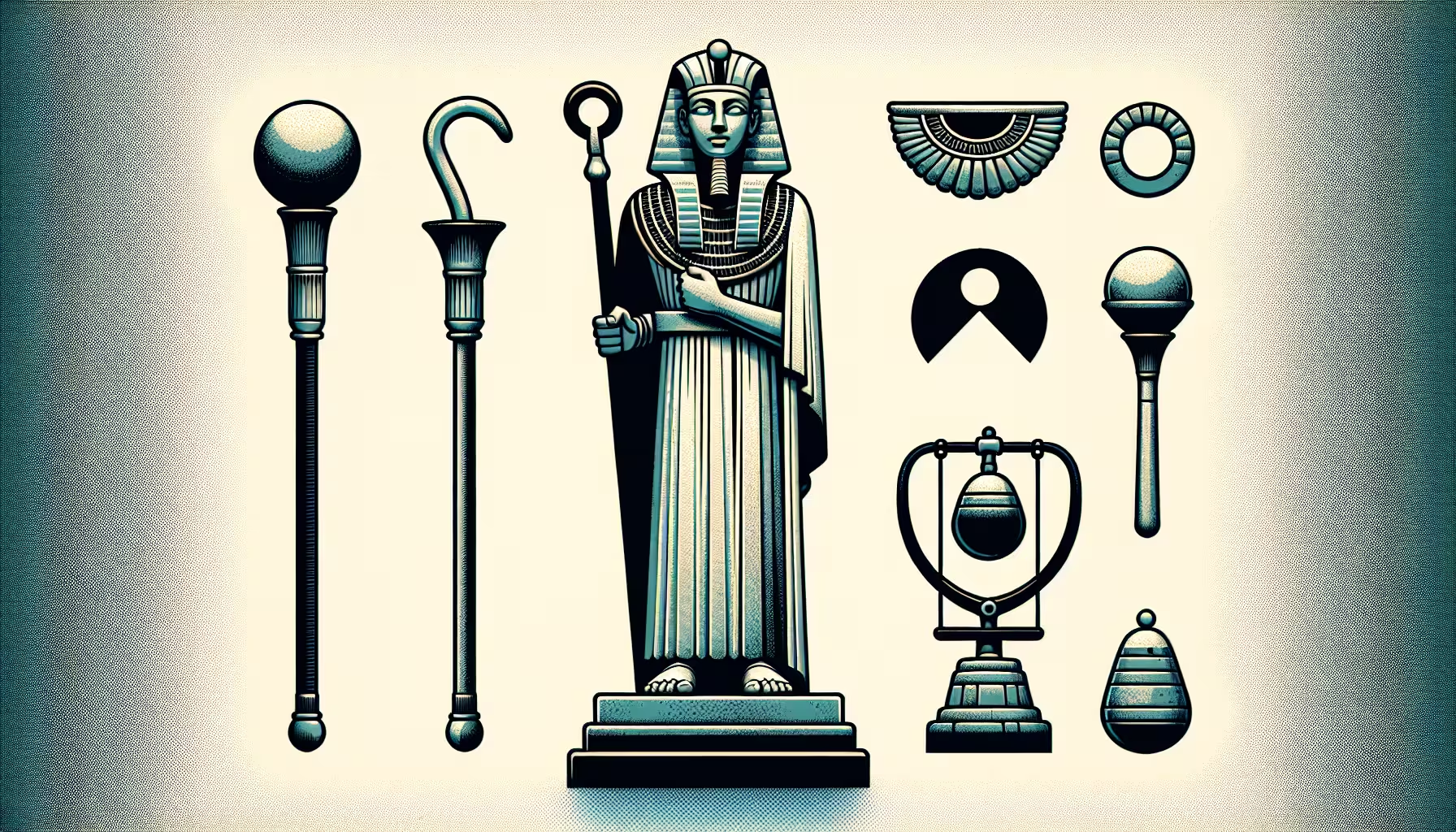
Born as Amenhotep IV, likely in Thebes, Egypt. He is believed to be the son of Pharaoh Amenhotep III and Queen Tiye.
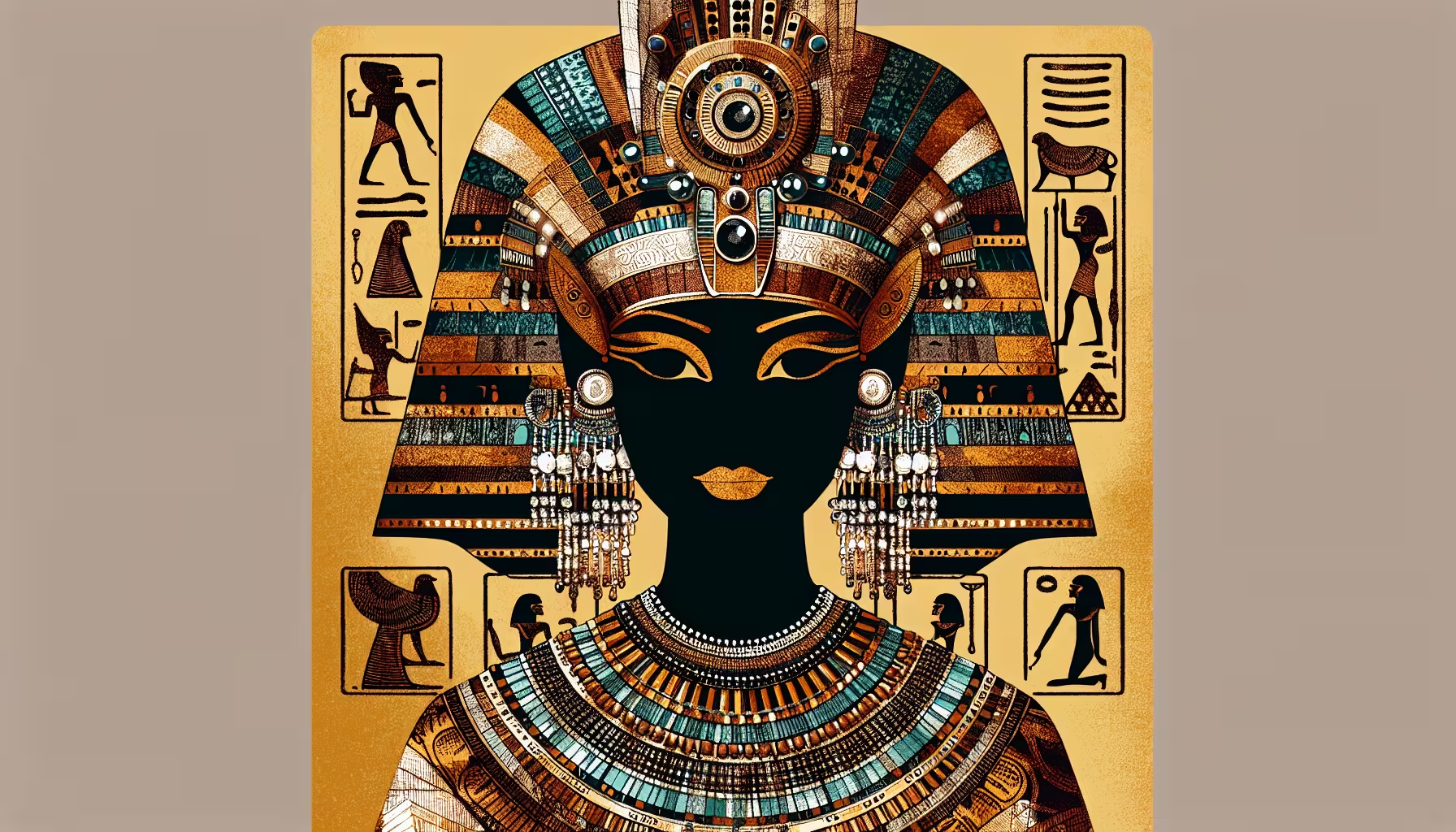
Cleopatra VII’s legacy as a powerful and influential queen has endured through history, making her one of the most famous figures of ancient Egypt.