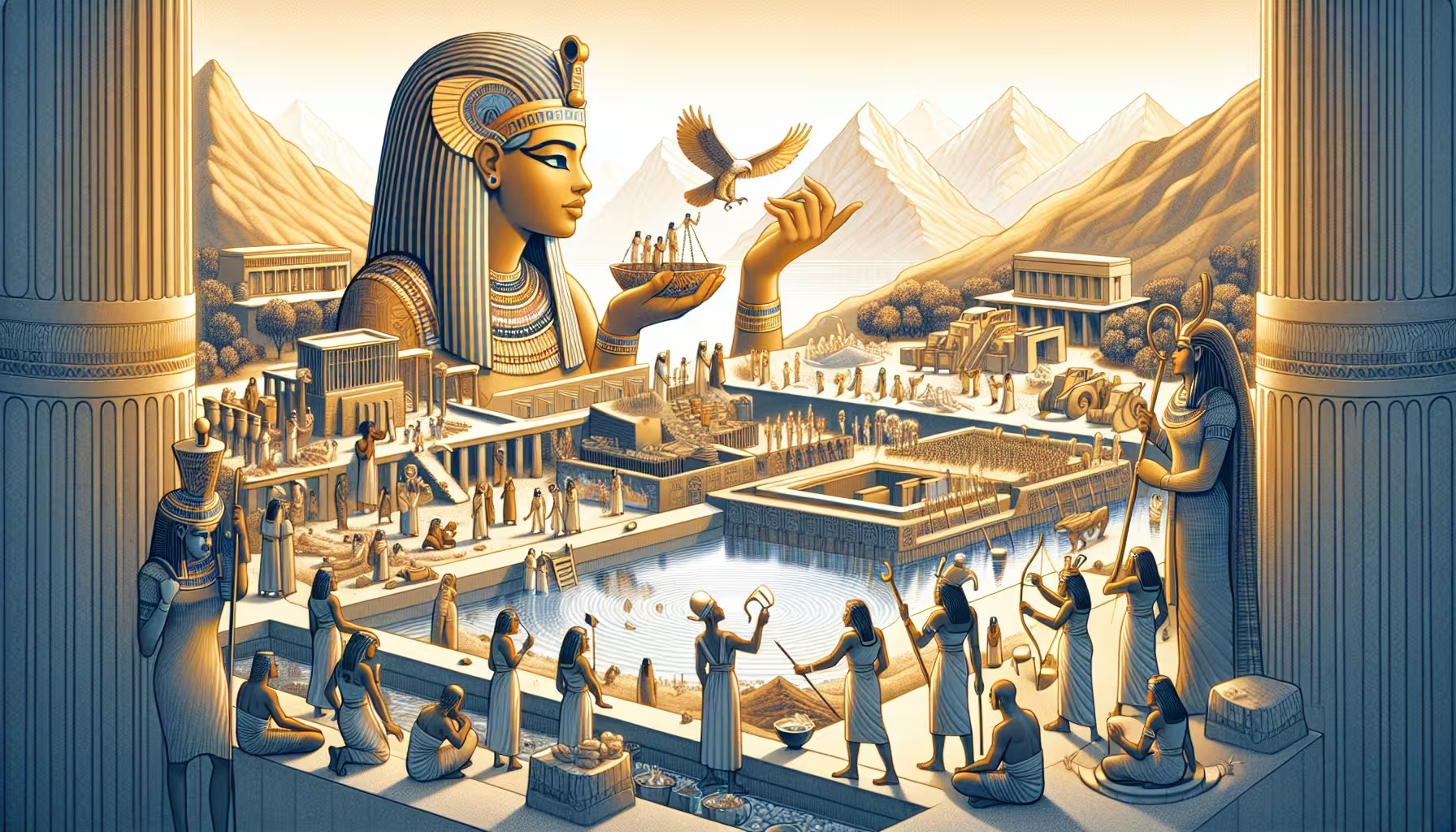
Hatshepsut, one of the most powerful female pharaohs in ancient Egypt, ruled during the 18th dynasty around 1478-1458 BC. She is known for overseeing a period of peace and prosperity in Egypt, as well as extensive building projects, including the construction of the famous mortuary temple at Deir el-Bahri. Hatshepsut’s reign is significant as she was one of the few women to rule as pharaoh in a male-dominated society, and her accomplishments as a leader and builder have left a lasting legacy in Egyptian history. Hook: Imagine a powerful female ruler who defied traditional
Introduction
Hatshepsut, one of ancient Egypt’s most famous pharaohs, ascended to the throne in the 15th century BCE, becoming one of the few female rulers in a male-dominated society. During her reign, she oversaw a period of unprecedented peace and prosperity in Egypt, as well as extensive building projects that left a lasting impact on the country’s landscape. Her life and achievements are shrouded in mystery and intrigue, making her a captivating figure in ancient history. Understanding the historical significance of Hatshepsut’s reign and her contributions to Egypt’s golden age can provide valuable insights into the power dynamics and cultural achievements of this fascinating period.
Hatshepsut, the fifth pharaoh of the Eighteenth Dynasty of Egypt, oversaw a period of peace and prosperity in Egypt during her reign from 1478 to 1458 BCE. She also initiated extensive building projects, including the construction of the djeser-djeseru (“Holy of Holies”) at Deir el-Bahari, which is considered one of the greatest architectural achievements of ancient Egypt.
Hatshepsut’s Reign: A Time of Prosperity and Peace
During the reign of the pharaoh Hatshepsut, Egypt experienced a time of unprecedented peace and prosperity. Under her rule, the country flourished, and the economy boomed. Hatshepsut was a shrewd leader, adept at diplomacy and trade. She established important trade routes, enabling the import and export of goods to flourish. This brought great wealth to Egypt and allowed the country to maintain a strong and stable economy. With this newfound prosperity, Egypt was able to invest in extensive building projects, further solidifying Hatshepsut’s legacy as a successful and influential leader.
Extensive Building Projects and Architectural Achievements
Hatshepsut was known for her ambitious and extensive building projects. She oversaw the construction of numerous impressive structures, including the iconic mortuary temple at Deir el-Bahari. This magnificent temple, carved into the cliffs near the Valley of the Kings, is a testament to Hatshepsut’s architectural achievements. Her commitment to monumental construction projects not only left a lasting impact on Egypt’s landscape but also cemented her reputation as a powerful and influential ruler. These building projects are a testament to Hatshepsut’s commitment to leaving a lasting legacy through her architectural achievements.
Legacy and Impact on Egyptian History
Hatshepsut’s reign left an indelible mark on Egyptian history. Her ability to maintain peace, foster prosperity, and oversee extensive building projects set her apart as a remarkable leader. Her legacy as one of Egypt’s most successful pharaohs endures to this day. Hatshepsut’s reign marked a period of stability and growth for Egypt, and her architectural achievements continue to be studied and admired by historians and archaeologists alike. Hatshepsut’s influence on Egyptian history cannot be overstated, and her reign remains a significant and influential time in Egypt’s ancient past.
Did you know that Hatshepsut oversaw a period of peace and prosperity in Egypt and commissioned extensive building projects during her reign? She is often regarded as one of the most successful pharaohs in Egyptian history, known for her economic policies and diplomatic efforts. Hatshepsut’s reign also saw the construction of impressive monuments and temples, including her own mortuary temple at Deir el-Bahari. Her legacy as a female pharaoh has left a lasting impact on the history of ancient Egypt.
Read more:
egyptian-queen-hatshepsut-a-woman-rulerhatshepsut-renaissance-queen-of-ancient-egypt
hatshepsut-egypts-first-female-ruler
hatshepsut-the-female-pharaoh-ruling-alone
hatshepsut-death-and-monumental-destruction
hatshepsut-egypts-successful-female-pharaoh
https://www.britannica.com/biography/Hatshepsut