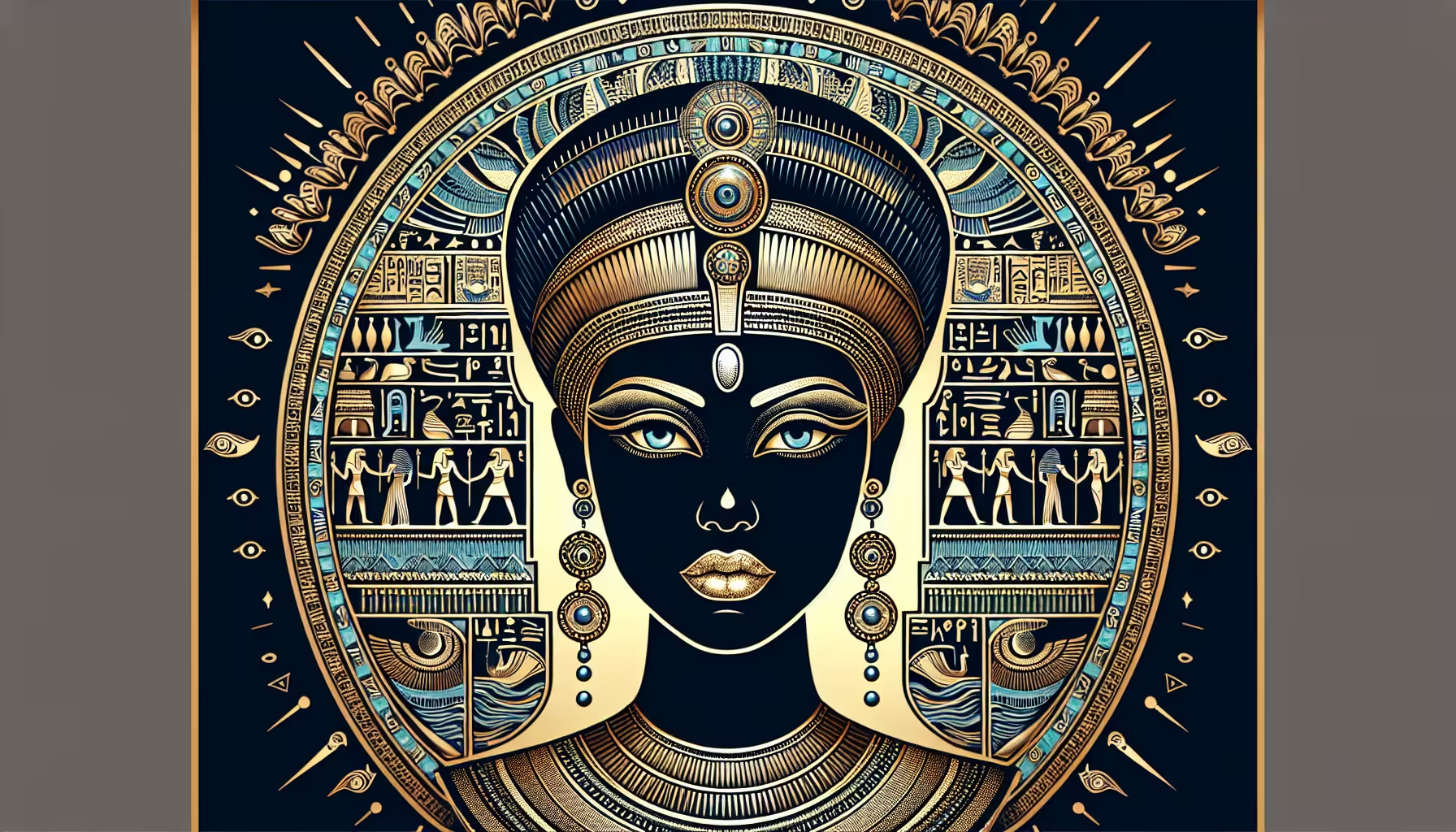
Hatshepsut was born in Egypt in the 18th dynasty and is widely regarded as one of the most significant figures in Egyptian history. She was a female pharaoh who ruled in her own right, a rarity in ancient Egypt, and is known for her successful reign, effective governance, and impressive building projects. Her legacy as a powerful and influential leader has made her a legendary figure in Egyptian history. Hook: Imagine a female pharaoh ruling over ancient Egypt with strength and authority, defying gender norms and leaving behind a lasting legacy of power and prosperity.
Introduction
In the year 1508 BC, in the ancient land of Egypt, a momentous event took place that would forever shape the course of history. Hatshepsut, one of the most remarkable and daring female pharaohs of ancient Egypt, was born. The daughter of Pharaoh Thutmose I and his primary wife, Ahmose, Hatshepsut’s birth marked the beginning of a life that would challenge the traditional gender roles of her time and leave an indelible mark on the history of Egypt. Hatshepsut’s reign as pharaoh, from 1478 to 1458 BC, was a time of great prosperity and innovation for Egypt. She was known for her ambitious building projects, including the construction of the stunning mortuary temple at Deir el-Bahri, and for her successful military campaigns that expanded Egypt’s borders and secured its wealth and power. Hatshepsut’s unique position as a female ruler in a male-dominated society has captivated historians and archaeologists for centuries, and her legacy continues to intrigue and inspire people to this day. Her reign serves as a testament to the strength and determination of women throughout history, as well as a reminder of the enduring power and influence of ancient Egypt. Join us as
Hatshepsut was born in Egypt in 1507 BC. She was the daughter of Pharaoh Thutmose I and became one of the most successful female pharaohs in Egyptian history.
The Arrival of a Future Pharaoh
In the year 1507 BC, in the ancient land of Egypt, a remarkable event took place – the birth of a girl who would go on to become one of the most powerful and enigmatic pharaohs in the history of Egypt. Born into the royal family, she was the daughter of Thutmose I and his wife Ahmose. Little did anyone know at the time, this child would grow up to challenge traditions and shatter norms in a society dominated by men.
Early Years and Ascension to Power
As a young girl, she was known for her intelligence and determination. Her education and upbringing within the royal court instilled in her a strong sense of ambition and confidence. When her father, Thutmose I, passed away, her half-brother assumed the throne as Thutmose II. However, when he died at a young age, it was she who took the unprecedented step of assuming the role of pharaoh. Dressed in the traditional regalia of a male pharaoh, she broke boundaries that had never been crossed before.
Legacy and Impact
Throughout her reign, she undertook ambitious building projects and expanded the wealth and power of Egypt. She was known for her shrewd diplomacy and successful military campaigns. Even in death, she left behind a legacy that would endure throughout the centuries. Her incredible story continues to fascinate historians and archeologists, and her image can still be found in the monuments and inscriptions that she commissioned during her time as pharaoh. The story of this remarkable woman serves as a testament to the enduring power of determination and the ability to defy societal expectations.
Did you know that Hatshepsut was born in Egypt around 1508 BC, but no one knows for sure where exactly she was born? Hatshepsut is a significant figure in Egyptian history, as she became the fifth pharaoh of the Eighteenth Dynasty and the second female pharaoh in Egyptian history. Despite the mystery surrounding her birthplace, her reign is known for its stability and prosperity, as she played a key role in expanding trade and building impressive monuments in Egypt. Hatshepsut’s precise birthplace may remain unknown, but her legacy as a powerful and successful ruler is widely recognized.
Read more:
hatshepsut-renaissance-queen-of-ancient-egypthatshepsut-egypts-first-female-ruler
hatshepsut-the-female-pharaoh-ruling-alone
hatshepsut-architect-of-peace-and-prosperity
hatshepsut-death-and-monumental-destruction
hatshepsut-egypts-successful-female-pharaoh