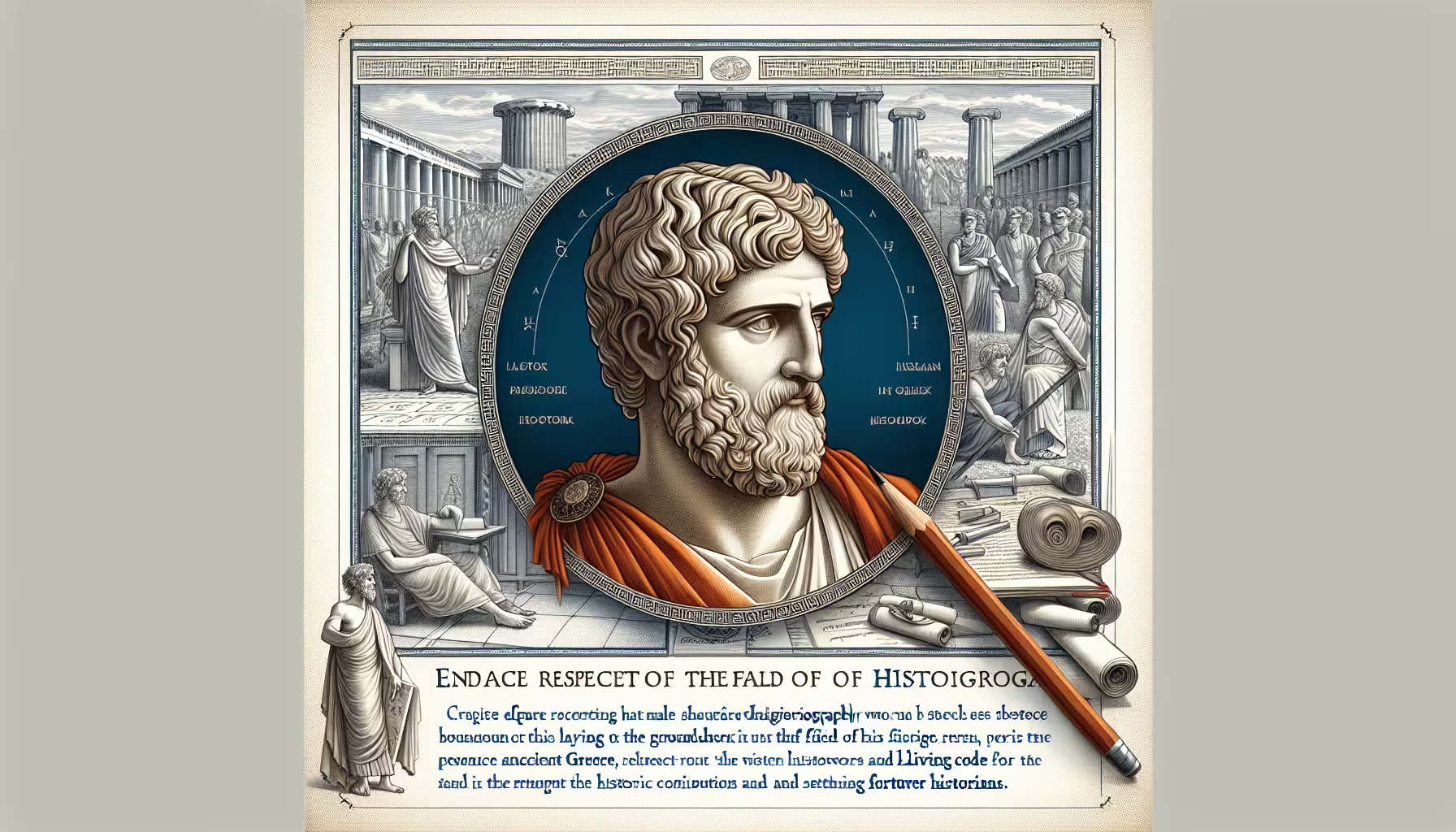
Herodotus, often referred to as the “Father of History,” was an ancient Greek historian who lived during the 5th century BCE. His most famous work, “The Histories,” is considered one of the earliest examples of historical writing and set the standard for the practice of historiography. Herodotus’s account of the Greco-Persian Wars and his meticulous research and analysis of historical events and cultures have continued to be studied and admired for their literary and historical significance. Herodotus is significant because he was the first historian to systematically collect and analyze historical information, setting a precedent for future historians.
Introduction
Herodotus, often hailed as the “Father of History,” lived in the 5th century BCE and his work, “The Histories,” is regarded as one of the foundational texts of Western historiography. Born in Halicarnassus, a Greek city in present-day Turkey, Herodotus was well-traveled and possessed a keen interest in the cultures and histories of the various peoples he encountered. In “The Histories,” Herodotus chronicles the Greco-Persian Wars, offering a rich tapestry of historical events, cultural practices, and geographical landscapes. However, it is not just the subject matter that makes Herodotus’s work significant; it is the way in which he approached history. Herodotus is known for his meticulous research, critical analysis of sources, and the inclusion of diverse perspectives, setting a standard for historical inquiry and narrative storytelling. His work has had a lasting impact on the field of historiography, influencing later historians such as Thucydides and Polybius. Even today, “The Histories” continues to be studied and admired for its literary and historical significance. Herodotus’s pioneering approach to history, coupled with his vivid storytelling, makes his work a captivating and
Herodotus, known as the “Father of History,” wrote “The Histories” in the 5th century BCE. This work set the standard for historiography, blending personal observations with historical accounts. Herodotus’s approach to writing history has influenced later historians and continues to be studied and admired for its literary and historical significance.
“The Father of Historiography: Herodotus’s Enduring Influence on the Study of History”
Herodotus’s Enduring Influence on the Study of History As one of the first historians in the Western tradition, Herodotus set the standard for historiography, influencing later historians and continuing to be studied and admired for its literary and historical significance. Born in Halicarnassus in the fifth century BCE, Herodotus traveled extensively and sought to record the wars between Greece and Persia. His work, titled “The Histories,” was not only an account of historical events but also a study of human nature and culture. Herodotus’s meticulous research and storytelling abilities captivated readers and established the genre of historical writing. His detailed descriptions of ancient civilizations and the retelling of epic battles have inspired countless historians and writers throughout the ages. Moreover, Herodotus’s emphasis on the importance of dialogue and differing perspectives within historical narratives laid the foundation for the critical analysis of sources in historical research. Ultimately, Herodotus’s legacy endures as the father of historiography, shaping the way we understand the past and encouraging a continued fascination with the complexities of human history and culture.
“The Timeless Legacy of Herodotus: Pioneering Historiography and Lasting Influence”
At the heart of the Greek historian Herodotus’s enduring legacy is the remarkable influence he has had on the field of historiography. Known as the “Father of History,” Herodotus pioneered the practice of recording historical events through careful investigation and analysis. His seminal work, “The Histories,” set the standard for historical writing and remains a vital source for understanding the ancient world. Herodotus’s meticulous attention to detail and his use of multiple perspectives and sources of information have earned him a reputation as a meticulous and thorough chronicler of the past. Even in contemporary times, his writing continues to be studied and admired for its literary and historical significance, serving as a testament to the timeless impact of his contributions.
“The Enduring Legacy of Herodotus: A Pioneering Historian Whose Work Continues to Shape the Study of History”
Herodotus, also known as the “Father of History,” was a pioneering historian whose work continues to shape the study of history. Herodotus set the standard for historiography with his meticulous research, firsthand accounts, and engaging storytelling. His masterpiece, “The Histories,” captured the socio-political context of ancient Greece and Persia and is still studied for its literary and historical significance. Herodotus’ innovative approach to historical writing influenced later historians such as Thucydides and Xenophon, and his work continues to be admired for its enduring legacy in shaping the field of history.
Did you know that Herodotus, often referred to as the “father of history,” set the standard for historiography with his work “The Histories”? This monumental piece of writing influenced later historians and continues to be studied and admired for its literary and historical significance. Herodotus’s work not only chronicled the Greco-Persian Wars, but also delved into cultural, social, and geographical aspects of the ancient world. His meticulous research and storytelling prowess have made “The Histories” a timeless and invaluable source of knowledge about the past.
Read more:
herodotus-the-father-of-historyherodotus-the-historian-and-scholar-of-ancient-greece
the-histories-herodotus-epic-tale-of-ancient-wars-and-cultures
herodotus-father-of-history-with-pioneering-research
https://www.britannica.com/biography/Herodotus-Greek-historian