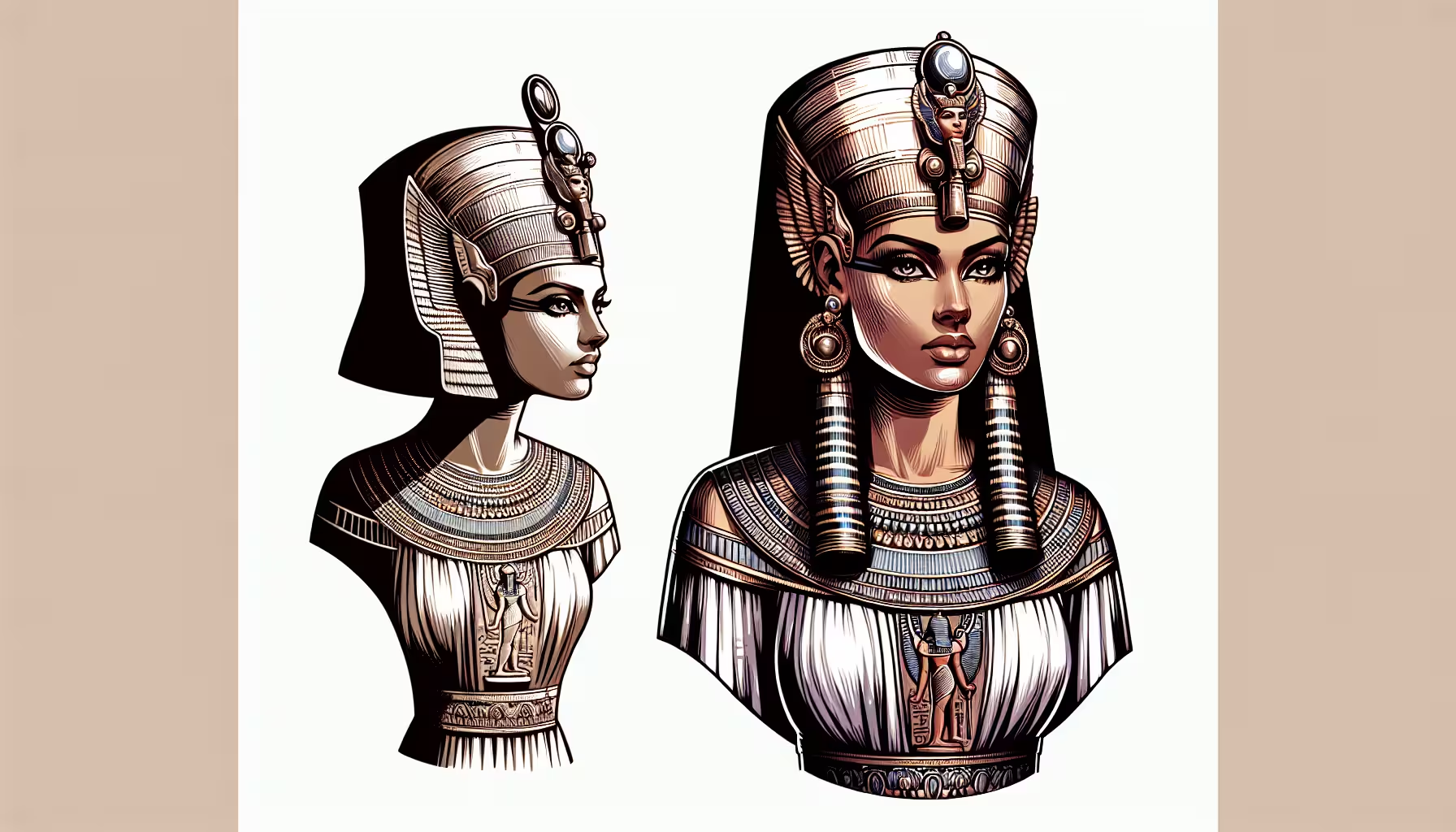
Nefertiti was an ancient Egyptian queen and wife of Pharaoh Akhenaten during the 14th century BC. Exact details about her birth and life remain mysterious due to the lack of concrete historical records. Nefertiti earned legendary status for her beauty, power, and influence in Egyptian society, and her famous bust is considered one of the most iconic symbols of ancient Egypt. Her mysterious and enigmatic presence has sparked numerous theories and debates among historians and archaeologists. Who was Nefertiti, and what secrets might her legacy hold?
Introduction
Nefertiti, the ancient Egyptian queen, is one of the most enigmatic figures in history. Despite her prominent role in the 14th century BCE, her exact date of birth remains unknown. This mysterious absence of concrete information only adds to the allure and fascination surrounding her life and reign. As one of the most powerful and influential women in ancient Egypt, Nefertiti’s impact on art, culture, and politics is undeniable. Delving into her life and historical significance offers a captivating journey into the ancient world, filled with intrigue and curiosity.
Exact date of birth is unknown. Nefertiti was the Great Royal Wife of Akhenaten, an Egyptian Pharaoh, and is best known for her renowned bust discovered in 1912.
The Enigmatic Birth of an Iconic Pharaoh
Historians and scholars have long been fascinated by the life and reign of Nefertiti, the queen of ancient Egypt who played a pivotal role in the religious and political landscape of her time. Despite the wealth of information available about her accomplishments and impact on Egyptian society, one crucial detail remains shrouded in mystery: her exact date of birth. While some theories place her birth around 1370 BC, others suggest she may have been born as early as 1375 BC. The lack of definitive evidence has only added to the allure of this enigmatic historical figure.
Clues from Art and Inscriptions
Examination of various artworks and inscriptions from the ancient Egyptian period provide some insights into Nefertiti’s birth, albeit inconclusive ones. For instance, depictions of Nefertiti as a young woman suggest that she may have been born in the latter part of the 14th century BC. Additionally, some inscriptions from the period of her rule refer to her as a “young woman,” further supporting the theory that she was likely born in the mid to late 1300s BC. However, without an actual birth record or inscription confirming her exact date of birth, historians continue to grapple with this tantalizing historical puzzle.
The Legacy of Uncertainty
Despite the ongoing debate surrounding Nefertiti’s birth, her legacy as a powerful and influential pharaoh remains undisputed. Whether she was indeed born in 1370 BC or a few years earlier, her impact on Egyptian civilization is undeniable. From her promotion of the cult of Aten to her significant political influence alongside her husband, Akhenaten, Nefertiti’s reign continues to captivate the imagination of historians and enthusiasts alike. While her exact date of birth may remain a mystery, her enduring legacy as a symbol of power and beauty lives on through the pages of history.
Did you know? The exact date of birth of Nefertiti, the ancient Egyptian queen, is unknown. She was the wife of Pharaoh Akhenaten and was known for her beauty and powerful influence during the 14th century B.C. Many details about her life and reign remain a mystery, adding to her enigmatic and legendary status in history.
Read more:
royal-court-education-nefertitis-secrets-revealednefertiti-akhenatens-powerful-great-royal-wife
nefertitis-role-in-akhenatens-religious-reforms
nefertiti-coruler-and-powerful-queen-of-ancient-egypt
nefertiti-a-prominent-figure-in-egypt
nefertiti-beauty-power-and-iconic-bust
https://www.biography.com/royalty/nefertiti