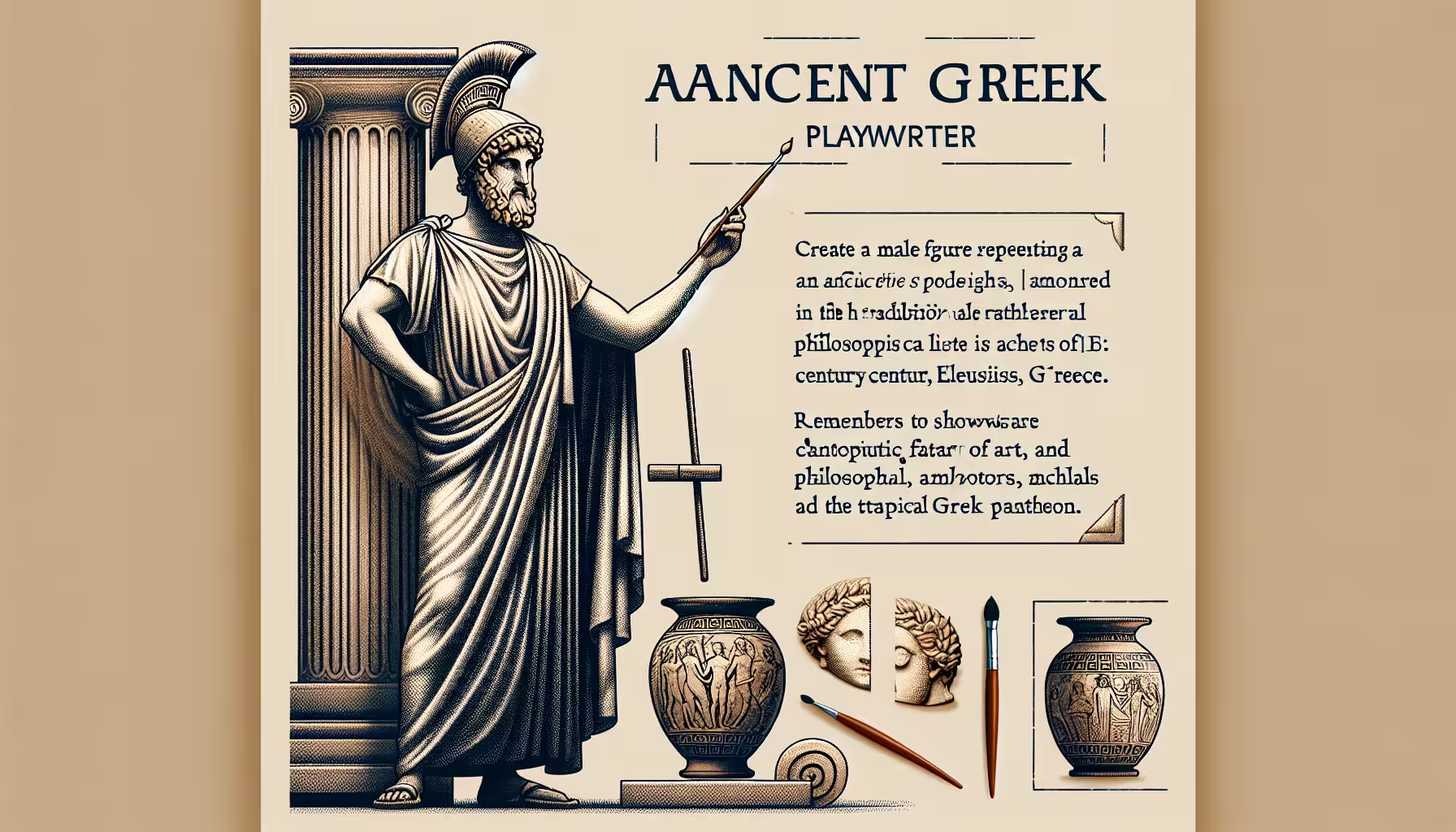
Aeschylus was a legendary figure in ancient Greece, known for his contributions to the development of Greek tragedy. Born in Eleusis, his plays were not only influential in his own time, but continue to be studied and performed to this day. His works, such as “The Oresteia” and “Prometheus Bound,” explored themes of justice, fate, and the power of the gods. Aeschylus’ impact on the world of theater and storytelling is undeniable, and his legacy continues to captivate audiences around the world. Dive into the world of ancient Greece and uncover the genius of Aeschylus.
Introduction
Imagine the ancient city of Eleusis, Greece, where Aeschylus, the great tragedian, is born into a world of political turmoil, philosophical awakening, and the emergence of Greek theater. Aeschylus would go on to become one of the most influential playwrights in Western literature, known for his pioneering use of dramatic elements such as dialogue, plot, and character development. His works, including the famous Oresteia trilogy, continue to captivate audiences and spark scholarly debate to this day. Born into a time of cultural transformation and artistic innovation, Aeschylus’s life and work are emblematic of the extraordinary changes that were unfolding in ancient Greece, making him a figure of immense historical significance.
Aeschylus, born in Eleusis, Greece in 525 BC, was the earliest of the three great Athenian tragedians, known for introducing a second actor on stage and for his famous works such as “The Oresteia” and “Prometheus Bound.”
The Birth of Aeschylus
Early Life in Eleusis
In the small town of Eleusis, nestled in the hills of Greece, a child was born who would one day become one of the greatest playwrights in history. Aeschylus, as he would come to be known, entered the world in the year 525 BC, during a time of great upheaval and change. His parents, Euphorion and Clytemnestra, were of noble birth, and they instilled in their son a love for storytelling and drama from an early age.
Education and Influence
Aeschylus was fortunate to receive a good education, and he was exposed to the great thinkers and writers of his time. It was during these formative years that he was first introduced to the works of Homer and the tragedians of the time. These influences would leave a lasting impression on Aeschylus, shaping his own style and themes in the years to come.
Early Career and Military Service
As Aeschylus grew older, he began to dabble in the art of playwriting, eventually finding his true calling in the tragic genre. His early works were met with moderate success, but it was not until he joined the military and fought in the Persian Wars that he truly found his voice. It was during this time that he wrote some of his most famous plays, drawing inspiration from his experiences on the battlefield and the struggles of his fellow soldiers.
Lifelong Legacy
Aeschylus’s impact on the world of theatre cannot be overstated. He is credited with the introduction of a second actor on stage, as well as the use of elaborate sets and costumes. His plays tackled weighty themes such as fate, justice, and the nature of the divine, and he was unafraid to push the boundaries of the art form. Aeschylus’s works continue to be performed and studied to this day, ensuring that his legacy will endure for generations to come.
In conclusion, Aeschylus’s birth in Eleusis was just the beginning of a remarkable life that would leave an indelible mark on the world of theatre. His early years in Greece, combined with his experiences in the military and his dedication to his craft, shaped him into one of history’s most revered playwrightsDid you know? Aeschylus, the Greek playwright, was born in Eleusis, Greece around 525 BC. He is often referred to as the “father of tragedy” and was a key figure in the development of ancient Greek drama. Aeschylus was known for his innovative use of dialogue, dramatic structure, and themes of fate and justice in his plays. He was a prolific writer, composing over 70 plays in his lifetime, although only seven of his works have survived to the present day. Aeschylus’ influence on the genre of tragedy and his contributions to Greek literature are widely recognized and celebrated.
Read more:
aeschylus-mastering-the-art-of-tragedyaeschylus-triumph-victory-at-dionysia-festival
the-oresteia-aeschylus-masterpiece-of-tragedy
aeschylus-defiant-stand-at-salamis
enduring-legacy-aeschylus-influence-on-theater
https://www.britannica.com/biography/Aeschylus-Greek-dramatist